
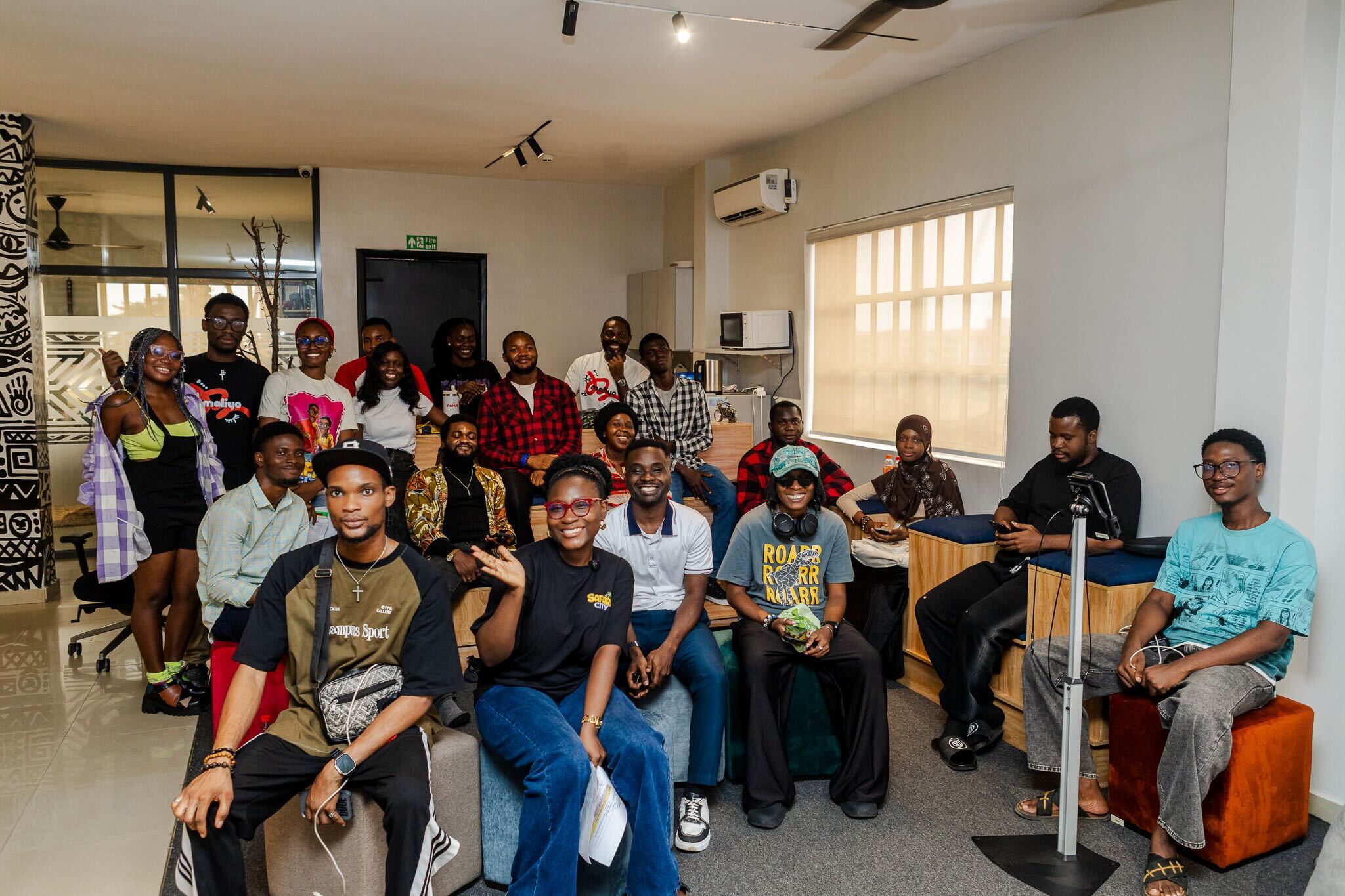
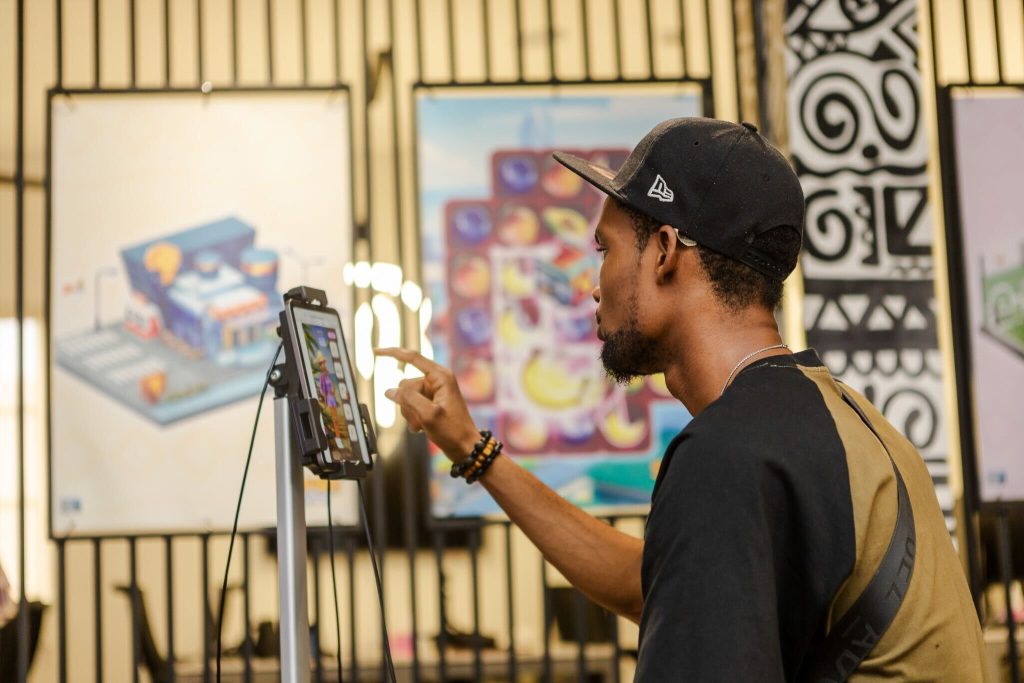
Last weekend, Maliyo Games hosted a closed play session at our studio — a structured but relaxed environment designed to observe how people interact with our games in real time.
The goal was simple: move beyond assumptions and see, firsthand, what players feel, notice, and respond to when placed directly inside our worlds.
Setting the Tone
The session opened deliberately low-pressure. A short icebreaker built around a Yorùbá word puzzle introduced participants to one of our upcoming experiences — One Naija Word Search.
While simple in structure, the interaction revealed something important. Players were immediately drawn to the cultural familiarity of the content, but also challenged by the gameplay itself. That balance between recognition and difficulty is something we’ll continue to refine as development progresses.
Gameplay in Context
As the session moved into active playtesting, distinct behavioural patterns began to emerge.
Some experiences encouraged quiet concentration. Others triggered visible competition and real-time reactions. In multiplayer scenarios especially, engagement shifted quickly from casual exploration to intent-driven play.
This transition from passive interaction to emotional investment remains one of the most valuable signals we look for.
Kewa’s Boutique: Expression as Engagement
Kewa’s Boutique stood out for a different reason.
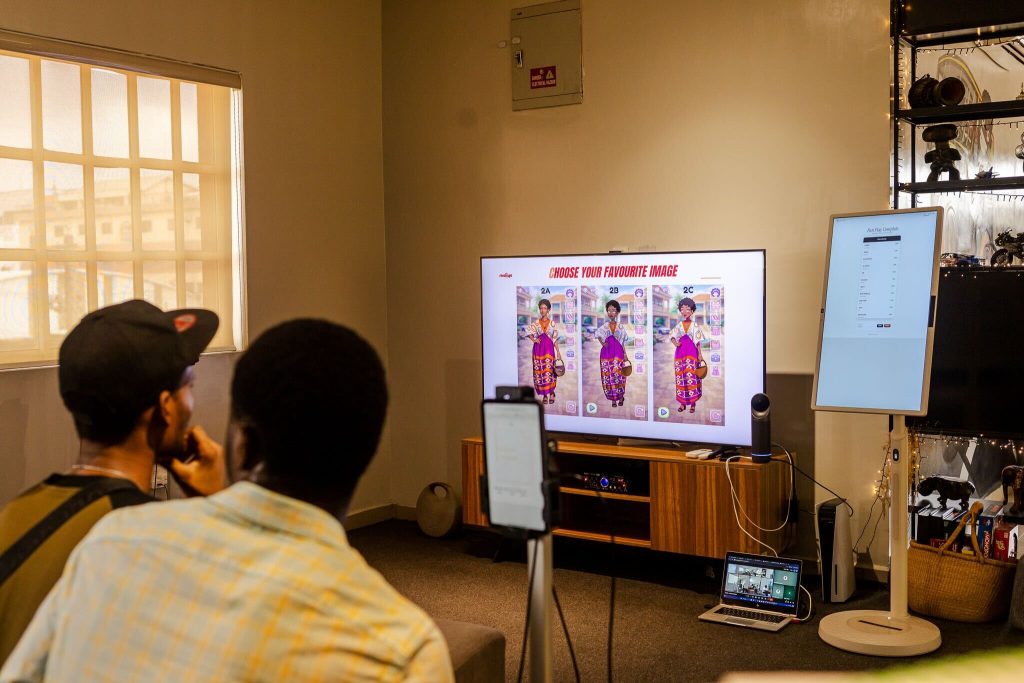
Rather than competition, it introduced a layer of personal expression. Participants engaged with it not just as a game, but as a space to make choices, compare outcomes, and react to each other’s creations.
What became clear is that the experience benefits from a stronger social layer — something that extends beyond individual play into shared interaction. This is an area we are actively exploring, particularly around community-driven features and comparative engagement.
Interior Decor: Expanding the Use Case
The Interior Decor experience generated a different kind of discussion; less about mechanics, more about application.
It prompted us to consider how this type of interaction could extend beyond the game itself. One direction we are exploring is collaboration with companies and organisations to create customised, interactive environments — effectively allowing teams to engage with familiar spaces in a new, playable format.
This is still early-stage thinking, but the potential for real-world integration is clear.


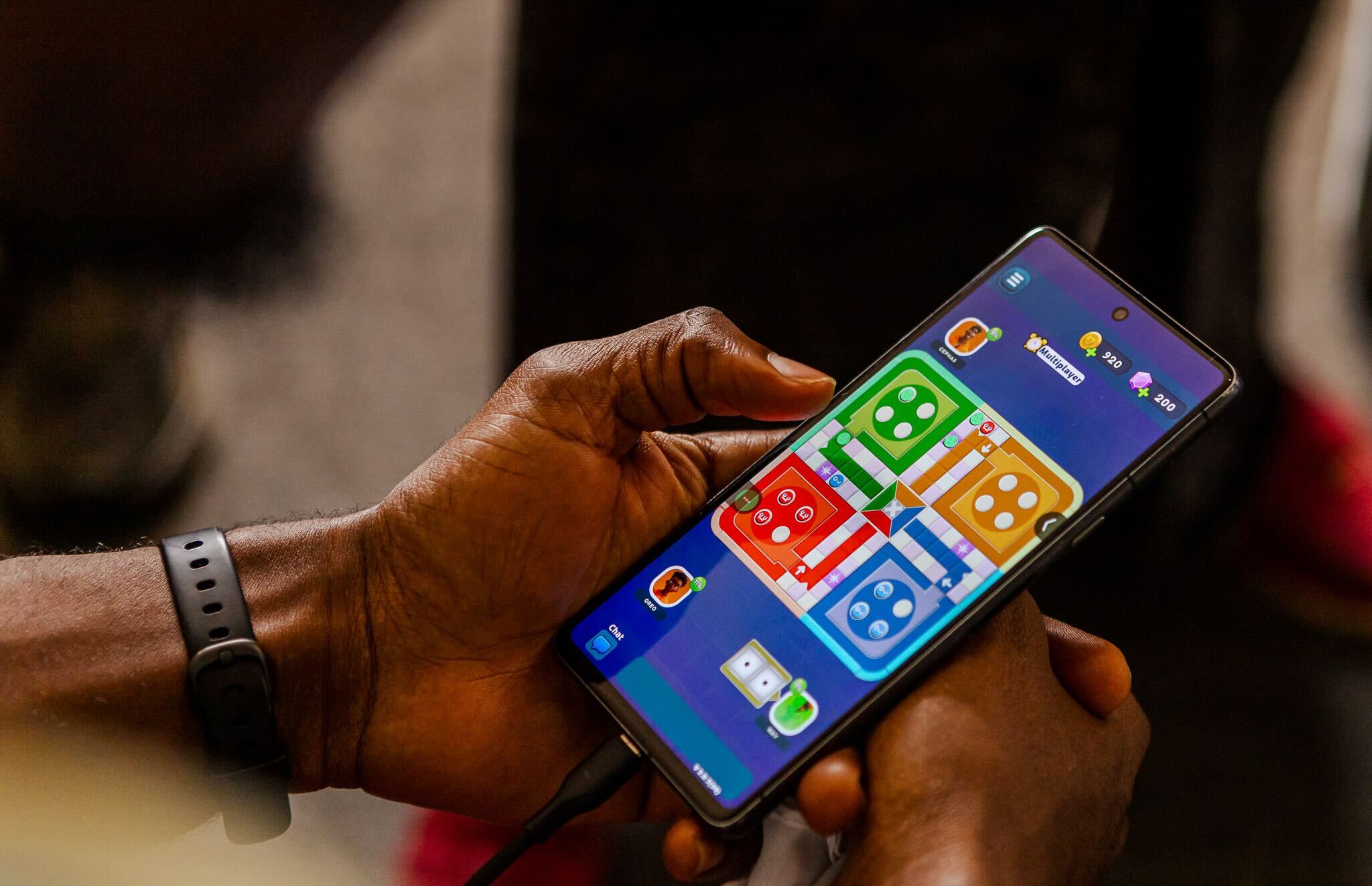
Crazy Ludo: Reinforcing Competitive Play
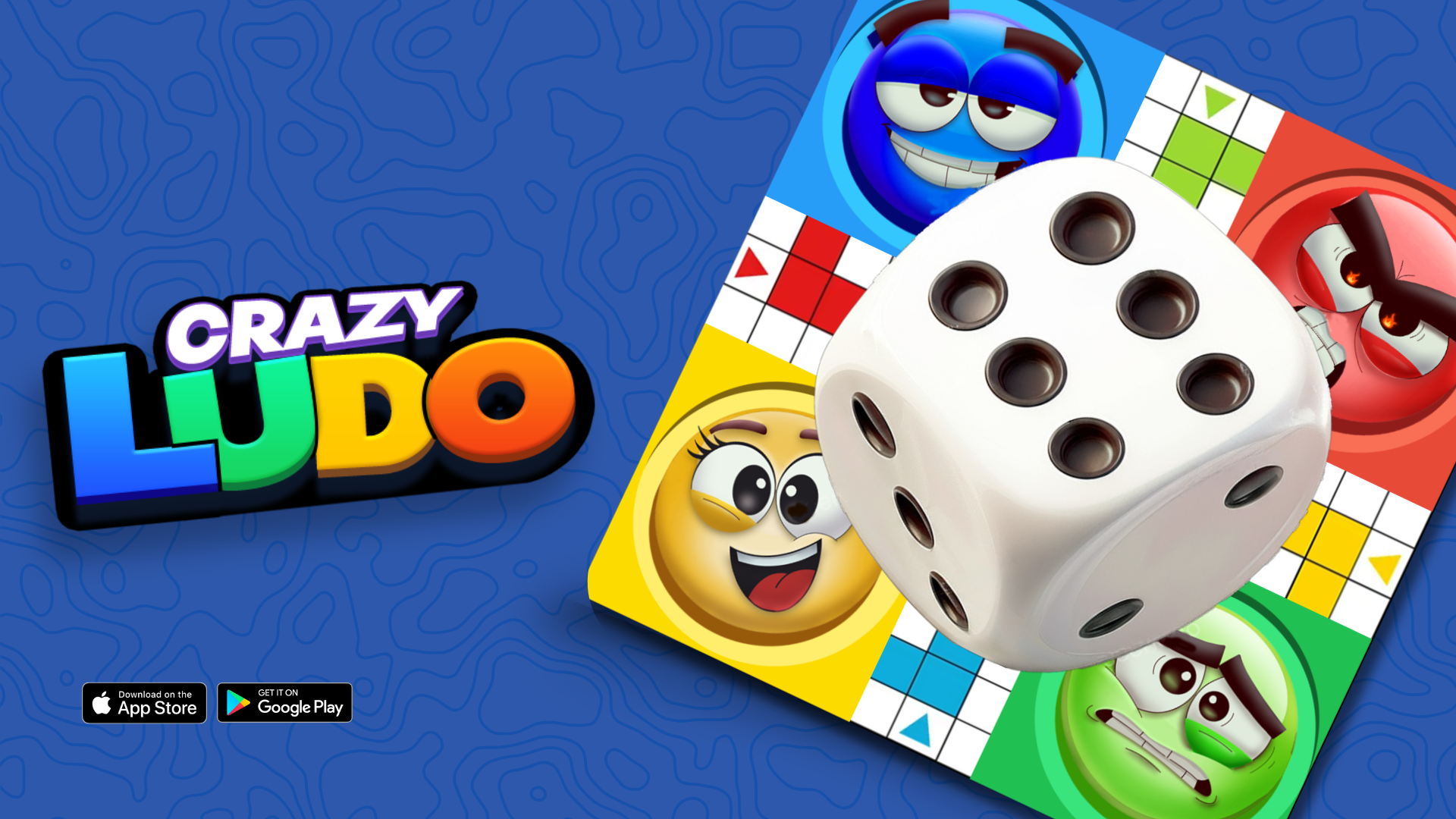
In contrast, Crazy Ludo delivered exactly where expected — fast-paced, competitive engagement.
The multiplayer structure, combined with time-based play, created consistent moments of tension and reaction. Players did not just participate; they responded, often immediately and audibly, to shifts in outcome.
What emerged here was less about feature gaps and more about expansion — progression systems, unlockables, and a clearer sense of advancement over time.
Extending the Experience: Maliyo Stories
The session also included a preview of Maliyo Stories, our animation series designed to explore narrative beyond gameplay.
The response highlighted both interest and opportunity. While the concept resonated, it also reinforced the importance of clarity in storytelling and structure.
What this confirmed for us is that our worlds have the potential to exist across formats; not just as games, but as layered experiences.
Key Takeaways
Across all sessions, a consistent pattern emerged:
- Players engage more deeply when there is clear purpose or progression
- Social and competitive elements significantly increase retention and reaction
- Cultural familiarity adds immediate context and connection
- Experiences that feel expressive or personal tend to drive conversation, not just interaction
Looking Ahead
Maliyo Fun Play was not designed as a showcase, but as a working session.
The insights gathered will directly inform how we refine existing experiences and shape upcoming ones.
We will continue to open up these sessions in a controlled way, allowing more people to engage with what we are building, while maintaining the integrity of the feedback process.
Participation
For those interested in future sessions or early access opportunities, we will be sharing more details through our community channels.