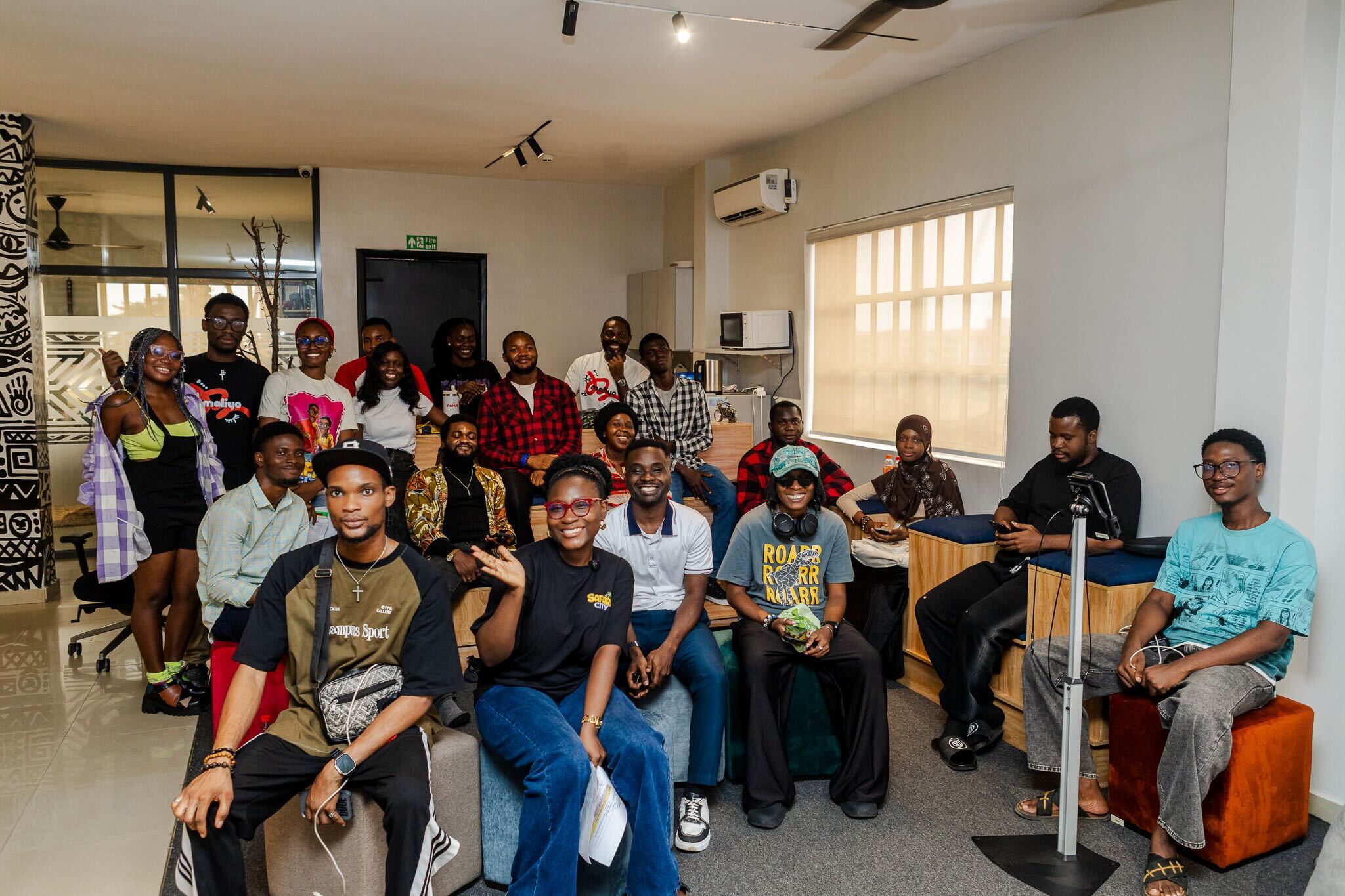

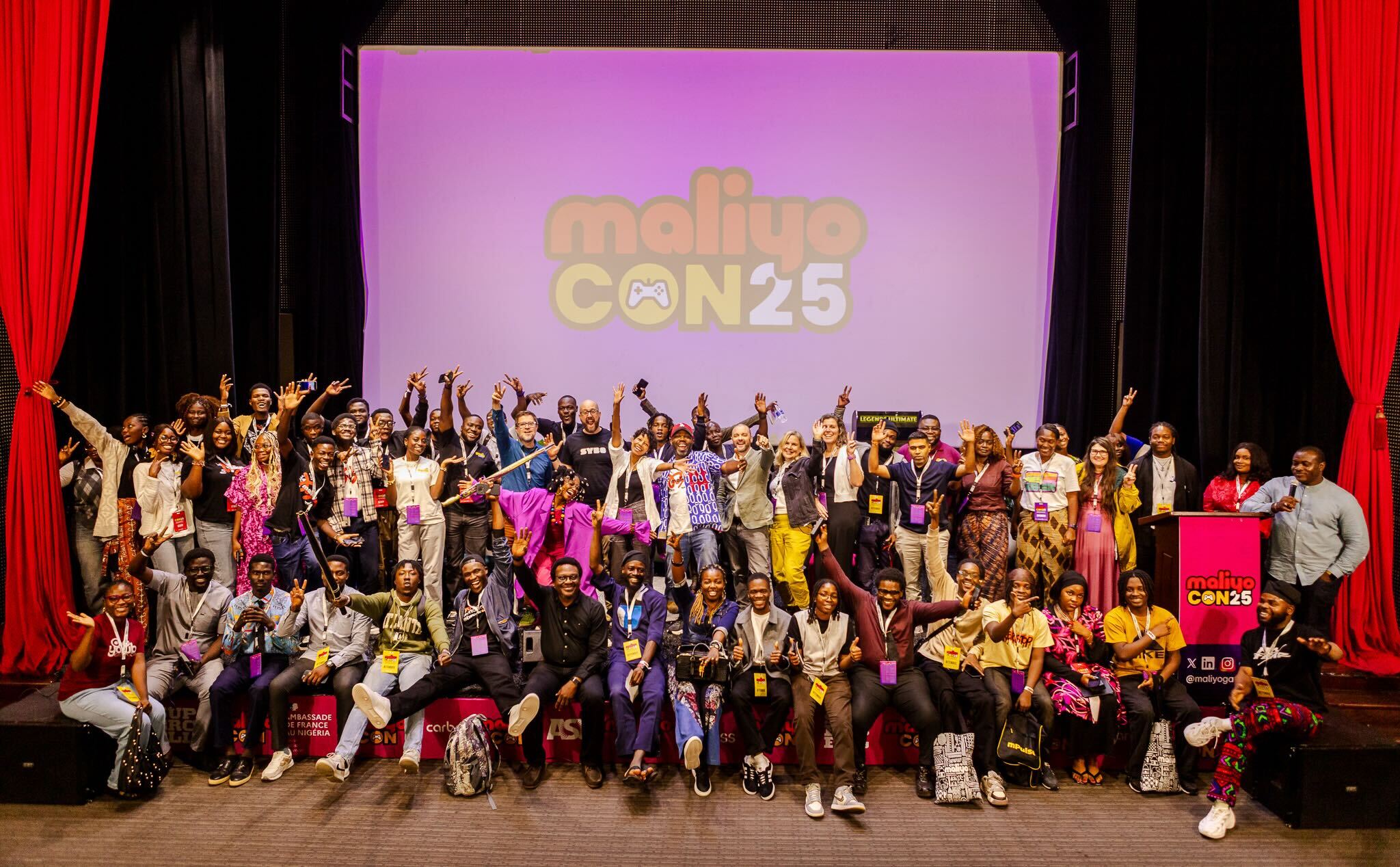
On December 11, 2025, in Lagos, Nigeria, something historic happened: African gaming took center stage.
Developers, founders, global studios, investors, educators, and community builders came together for MaliyoCON25, Africa’s premier mobile games conference, to explore how the continent’s games are being built today and what the future holds.
Across packed sessions, candid conversations, and surprise reveals, one truth stood out: African games are not just emerging; they are ready to compete globally.
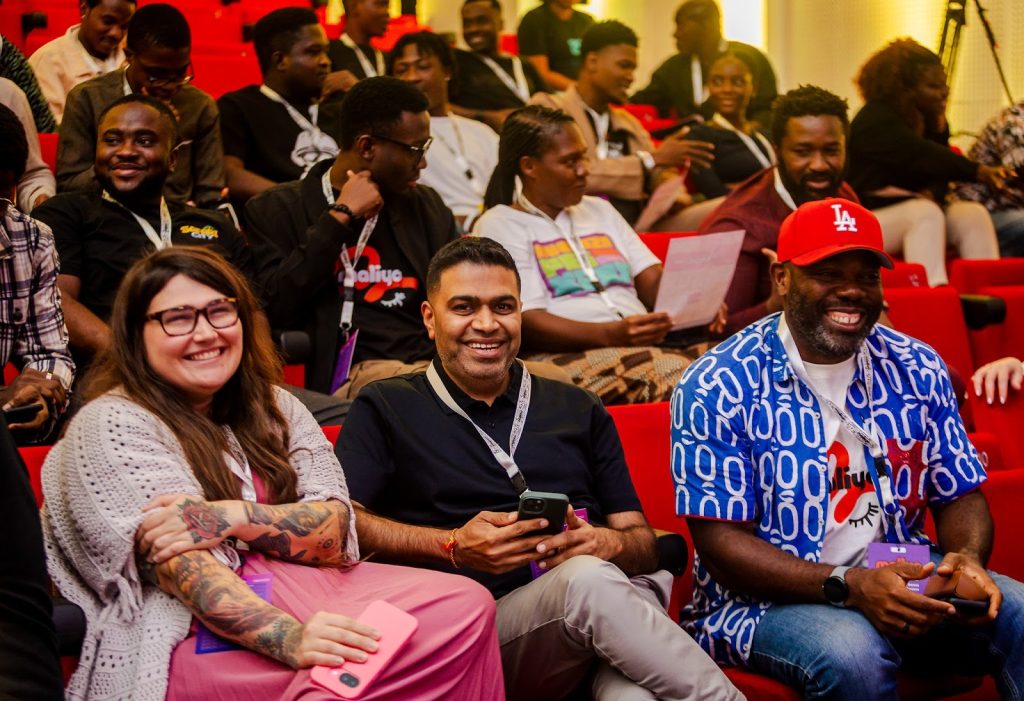
Global Lessons, Local Impact
The day kicked off with a message from Christophe Pecot, Cultural Attaché at the French Embassy in Nigeria. His remarks emphasized the importance of cultural collaboration and set the tone for a day balancing global insight with local relevance.
Mathias Nøvig of SYBO, the studio behind Subway Surfers, delivered the keynote, revealing the process, discipline, and patience behind maintaining a global hit. What began as a small team has grown into a global studio with over 150 employees across 30 nationalities, while still holding onto the principles that shaped its success: simple, intuitive gameplay, recognisable art, fast iteration, and global ambition from day one.
With over 4.5 billion lifetime downloads, Subway Surfers has become more than a game. Mathias spoke about how SYBO uses live updates, cultural partnerships, and community-driven content to stay relevant — from sustainability-focused in-game events to inclusive character representation and global collaborations.
His message to African developers was clear and energising:
“Your story is your superpower.”
He encouraged studios to move fast, think globally, share ideas openly, and prioritise community over competition. Execution, not ideas alone, is what turns games into lasting cultural products.
Building Talent for the Next Billion-Dollar Game
In Building the Next Billion Dollar Game, Elina Ollila, alongside Bola Akinrolabu of Arizona State University, explored how learning, play, and production intersect.
Central to the session was the Endless Games and Learning Lab philosophy:
Play to learn. Make to learn. Learn to earn.
Games, Elina explained, represent a fifth realm of learning: one that combines exploration, experimentation, and real-time feedback at scale. Through game jams, studio courses, and collaborative production environments, learners don’t just consume content; they build skills, identities, and career pathways.
With Nigeria’s youthful population, growing mobile access, and rapidly expanding digital economy, the session highlighted why Africa is uniquely positioned to shape the future of game-based learning and global game development.
Safari City: “Anything Is Possible”
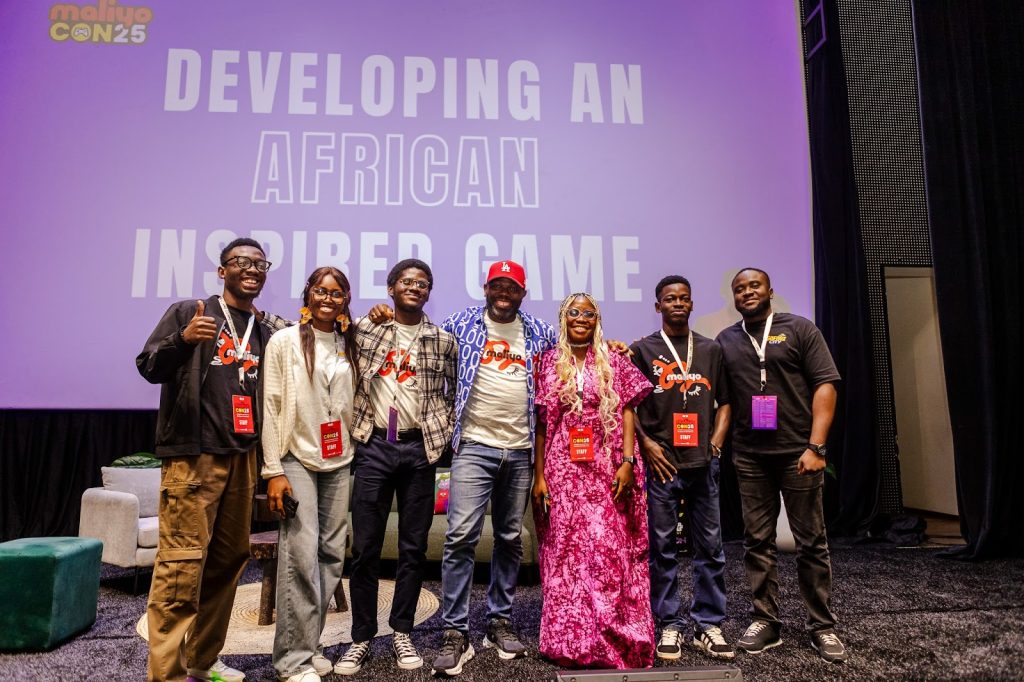
The Safari City Team of Maliyo Games, took the stage to showcase their Africa-inspired city builder.
The team walked attendees through their creative process, challenges, and breakthroughs, demonstrating how African stories, environments, and imagination can translate into globally appealing games without losing authenticity.
The core message was clear: “Anything is Possible.” To top it off, the team unveiled a playful surprise, a Maliyo Games office recreated in the Safari City style, signaling the next phase of the game and proving that creativity truly has no limits.
Community: The Engine of Growth
Community was highlighted as essential infrastructure. Dorothy Orina, Program Manager at GameUp Africa, reflected on how mentorship, peer learning, and structured programs have trained thousands of developers across the continent, with many attendees themselves alumni of the program.
The session reinforced the importance of long-term investment in people, not just products, and highlighted how consistent community-building can unlock opportunity across borders.
Game-Based Learning as a Pathway to Digital Literacy
Following that, Heather Drolet and Stephen Reid of Threadbare led a session on Game-Based Learning, demonstrating how games can extend beyond entertainment to powerful tools for education and empowerment.
They introduced the Four Cs learning pathway:
- Consumer
- Creator
- Contributor
- Career
This progression moves learners from playing games to actively building, contributing to, and eventually carrying knowledge into professional opportunities. Threadbare, a free, open-access, narrative-driven RPG built with Godot and hosted on GitHub, allows learners to write dialogue, mix code, collaborate with real developers, and contribute culturally relevant stories.
With over 11,000 learners across 13 countries, the session showed how playful pedagogy — play, create, share, reflect — can unlock future-ready skills in creativity, collaboration, problem-solving, and technology fluency.
Supercell’s Commitment to Africa’s Games Ecosystem
As the day moved into its final stretch, Deborah Mensah-Bonsu of Supercell shared how the company approaches growth, culture, and creator empowerment.
Deborah walked the audience through Supercell’s unconventional cell model, where small, independent teams hold full creative ownership and responsibility, flipping the traditional top-down studio structure on its head. While Supercell is known globally for six massively successful live games, she was candid about the reality behind that success: over 30 projects were killed along the way.
Deborah reaffirmed Supercell’s belief in Africa’s future and announced an upcoming developer grants initiative launching in 2026, with funding ranging from $20,000 to $200,000, aimed at accelerating promising studios across the continent.
Founders, Funding, and Real Talk
The conference closed with a candid Founder-to-Founder conversation between Hugo Obi (Maliyo Games) and Bukola Akingbade (Kucheza Games) offered candid insights into running a game studio in Africa. They shared insights on on funding realities, operational pressure, patience, and the discipline required to build studios that last. Hugo also spoke openly about the future of gaming in Africa within this conversation, emphasising the importance of clarity, collaboration, and ownership as the ecosystem matures.
It was a fitting close to the day: grounded, reflective, and focused on execution over hype, reminding attendees that sustainable success in games is built deliberately, over time.
Looking Back, and Ahead
The day concluded with A’isha Umar Mumuni, Chief Digital Officer at MTN Nigeria, framing African gaming as entering a new phase: one defined by clarity, ownership, and collaboration.
MaliyoCON 2025 wasn’t just a conference. It was a signal that African creators are building, learning, and imagining at a global level.
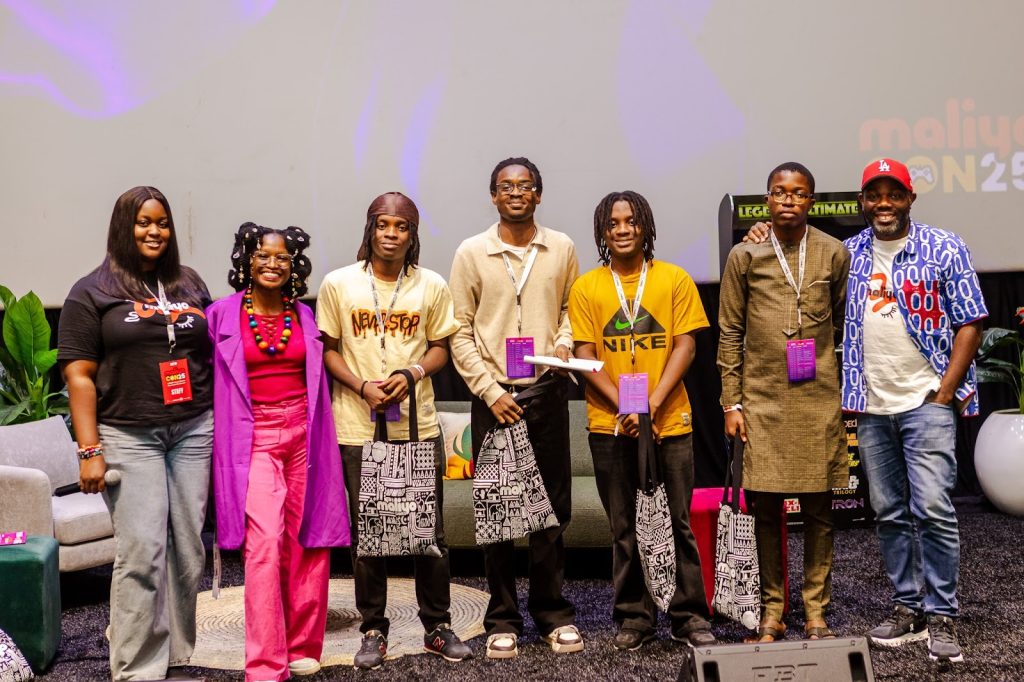
See MaliyoCON25 in Action
If you want to relive some of the best moments from the day, check out our recap video on Instagram Reels: https://www.instagram.com/reel/DSSR52OD4ee/?igsh=MWY1MXRwZG9kdjlmZQ==. From keynote highlights to live testimonials, it’s all there in motion!
Stay Connected
Don’t miss a beat! Follow us on Instagram, Twitter, and LinkedIn, subscribe to our YouTube channel, and join our community so you can catch up on all the highlights from MaliyoCON25 and stay updated on what’s coming in 2026.