
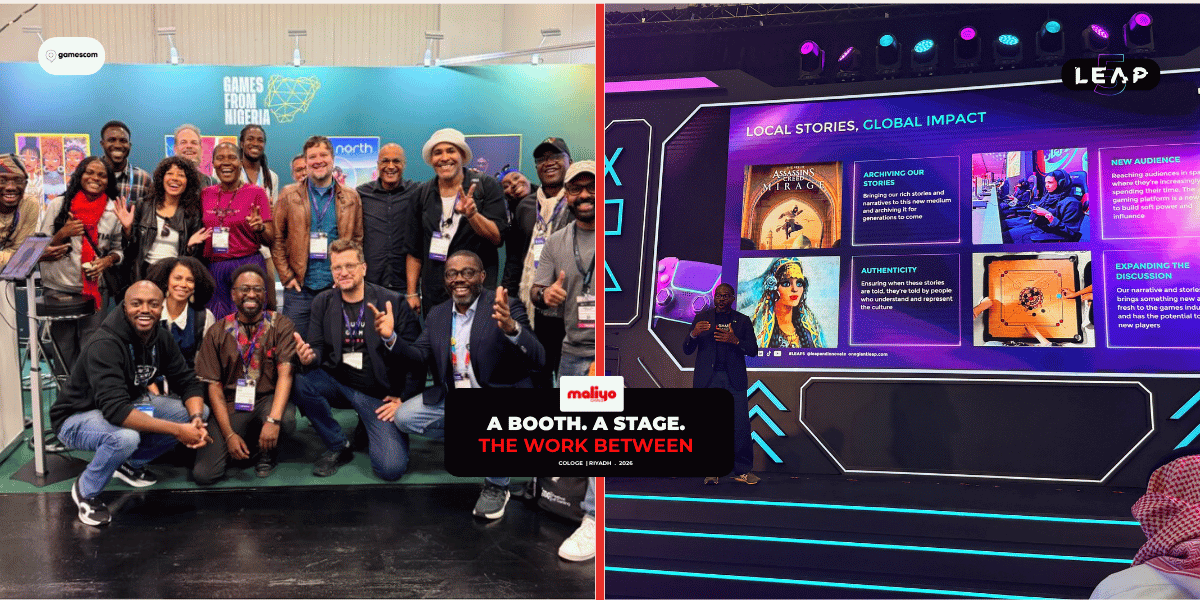
Only a few days separated gamescom in Cologne from LEAP in Riyadh, but the two events showed us different sides of the same work.
At gamescom, people could meet Nigerian developers and play what they had created. At LEAP, the conversation moved to what those developers need to keep creating, growing and competing.
Together, both events answered an important question: what does it take to build a gaming ecosystem that lasts?
What a booth can change
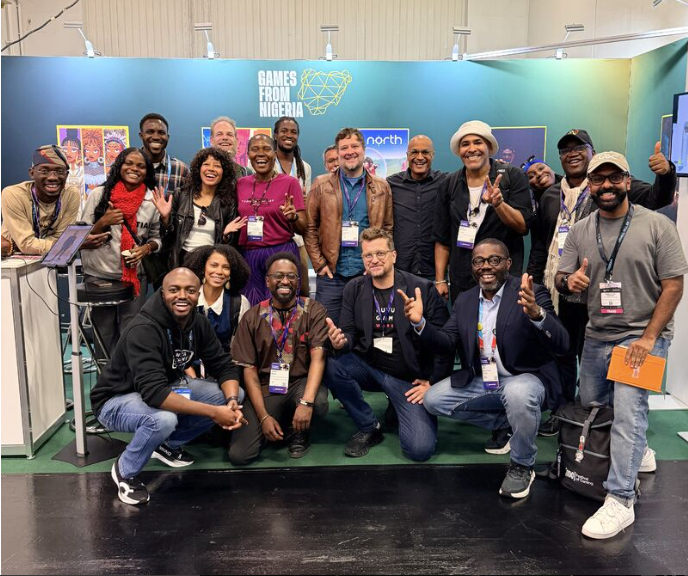
The Games from Nigeria Pavilion gave Nigeria its first national pavilion at gamescom and marked the first sub-Saharan African pavilion at the event.
That mattered because visibility is a real business challenge for game studios.
A talented team can build a brilliant game and still struggle if publishers, investors and distribution partners do not know the studio exists. By bringing Nigerian developers together in one recognisable space, the pavilion made the industry easier to find and understand.
For three days, Hall 4.1, Booth C010 became a place where visitors could play games, meet their creators and discuss publishing, funding, talent and distribution.
Showing a playable game also teaches you something a pitch deck cannot.
You notice where a new player hesitates, what immediately makes them smile and whether they want another round. Watching people engage with one of our upcoming games gave us honest reactions that will help shape the work ahead.
The Africa Games Industry Mixer, hosted with Xsolla and SpielFabrique, added another important layer. Games are built with code, art and design, but industries are also built through relationships. Developers need people who can open routes to markets, funding, knowledge and new audiences.
We were proud to share the pavilion with Africacomicade, Dimension11 Games, Kunta Content, Leti Arts, CodeBox Games and Gazuntype.
We are also grateful to the Embassy of France in Nigeria for supporting the delegation, Bukola Akingbade and Kucheza Gaming for designing the pavilion, and Narratify Agency for supporting its PR, content and business-development work.
Culture has to reach the gameplay
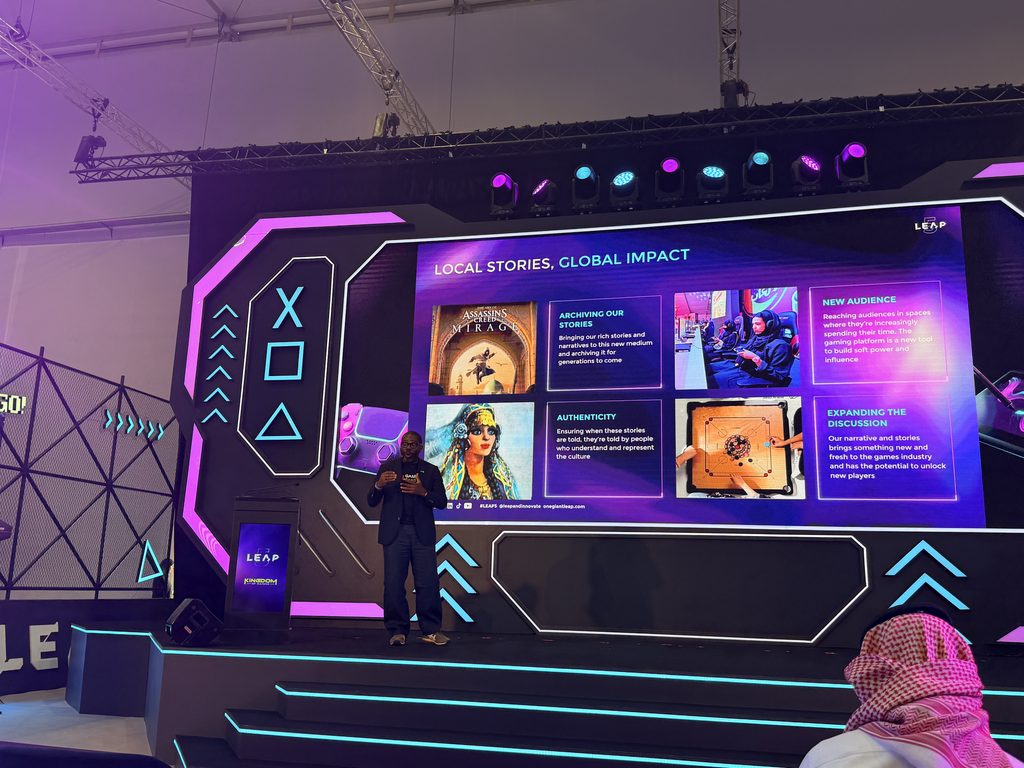
At LEAP 2026, Maliyo Games founder and CEO Hugo Obi took the GameXCreative stage for a keynote titled Building Africa’s Gaming Ecosystem Through Local Stories.
The subject sounds simple until you begin doing the work.
An African game does not become authentic because a familiar pattern, landmark or name has been added to it. Culture cannot sit on top of a game like a sticker.
It has to reach the characters, humour, environments, language and decisions the player makes. Most importantly, it still has to produce an enjoyable game.
Local stories give developers material that feels specific and emotionally familiar. Strong design helps those stories travel. The real opportunity lies in doing both well: creating games that feel true to where they came from and are still clear, engaging and exciting to players anywhere.
That was central to the conversation in Riyadh. Africa and the Middle East have rich cultures and lived experiences, but owning those stories is only the beginning. Studios also need the production skills, financing, distribution and long-term support required to turn an idea into intellectual property that can grow.
An ecosystem is a pathway
A gaming ecosystem is not simply a large number of people interested in making games.
It is a working pathway.
Someone should be able to learn a skill, practise it, complete a project, build a portfolio, join a team, release a game, reach players and learn from the result. When one of those steps is missing, talented people often get stuck or leave the industry entirely.
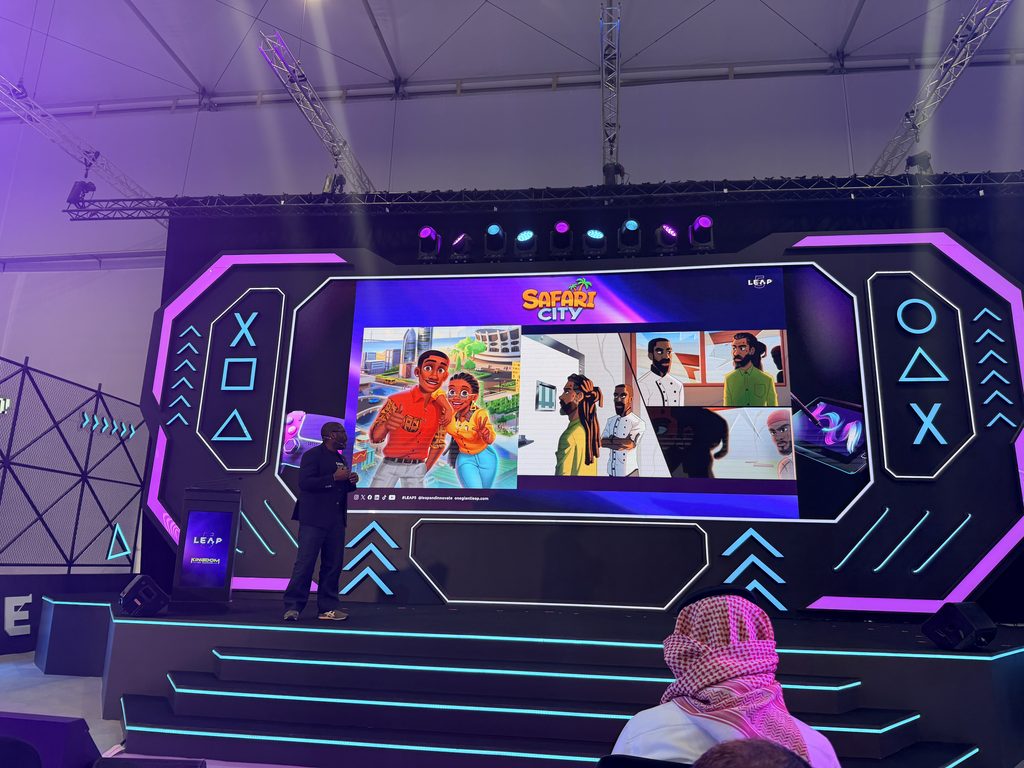
This is why Maliyo’s work goes beyond developing titles such as Safari City, Crazy Ludo and Whot King.
Our talent-development initiative, GameUp Africa, has reached more than 6,000 people over five years and is now evolving into GameUp Academy, an always-on learning platform designed to make practical game-development education more accessible.
MaliyoCON creates another part of that pathway by bringing developers, studios, publishers, investors and partners into the same room. Our work on the Africa Games Industry Report helps the industry understand the market with better information rather than assumptions.
The games, training, community, research and partnerships are not separate projects. They support different stages of the same journey.
The important work starts after the event
Cologne gave Nigerian studios a visible home on the gamescom floor. Riyadh gave us a stage to explain the thinking and work behind Africa’s growing games industry.
But attending an event is not the finish line.
Its value is measured by what happens afterwards: the introductions that become partnerships, the player reactions that improve a game, the conversations that open markets and the ideas that turn into practical work.
We returned with plenty to follow up on and even more clarity about what comes next.
Keep building good games. Help more people gain useful skills. Create spaces where the industry can meet. Develop stories that feel local without limiting where they can travel.
The flights are over. The work continues.